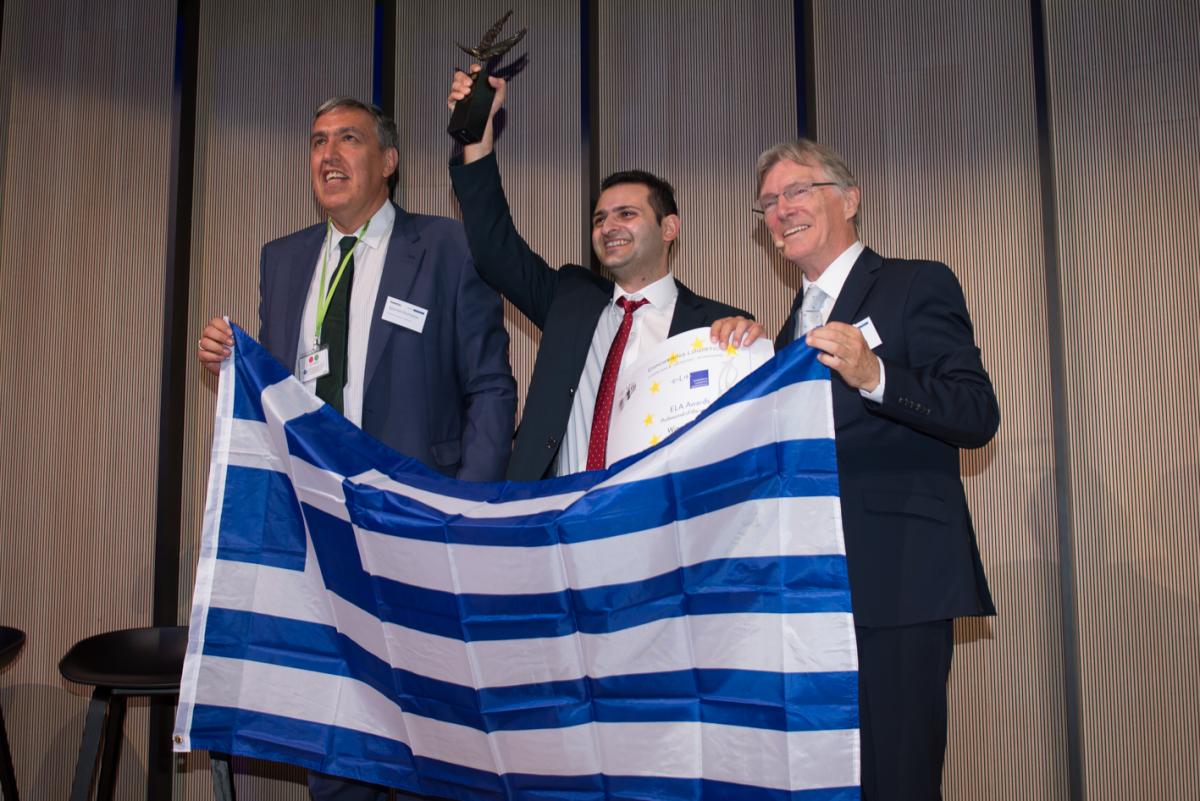

The ELA Global Supply Chain Excellence Awards
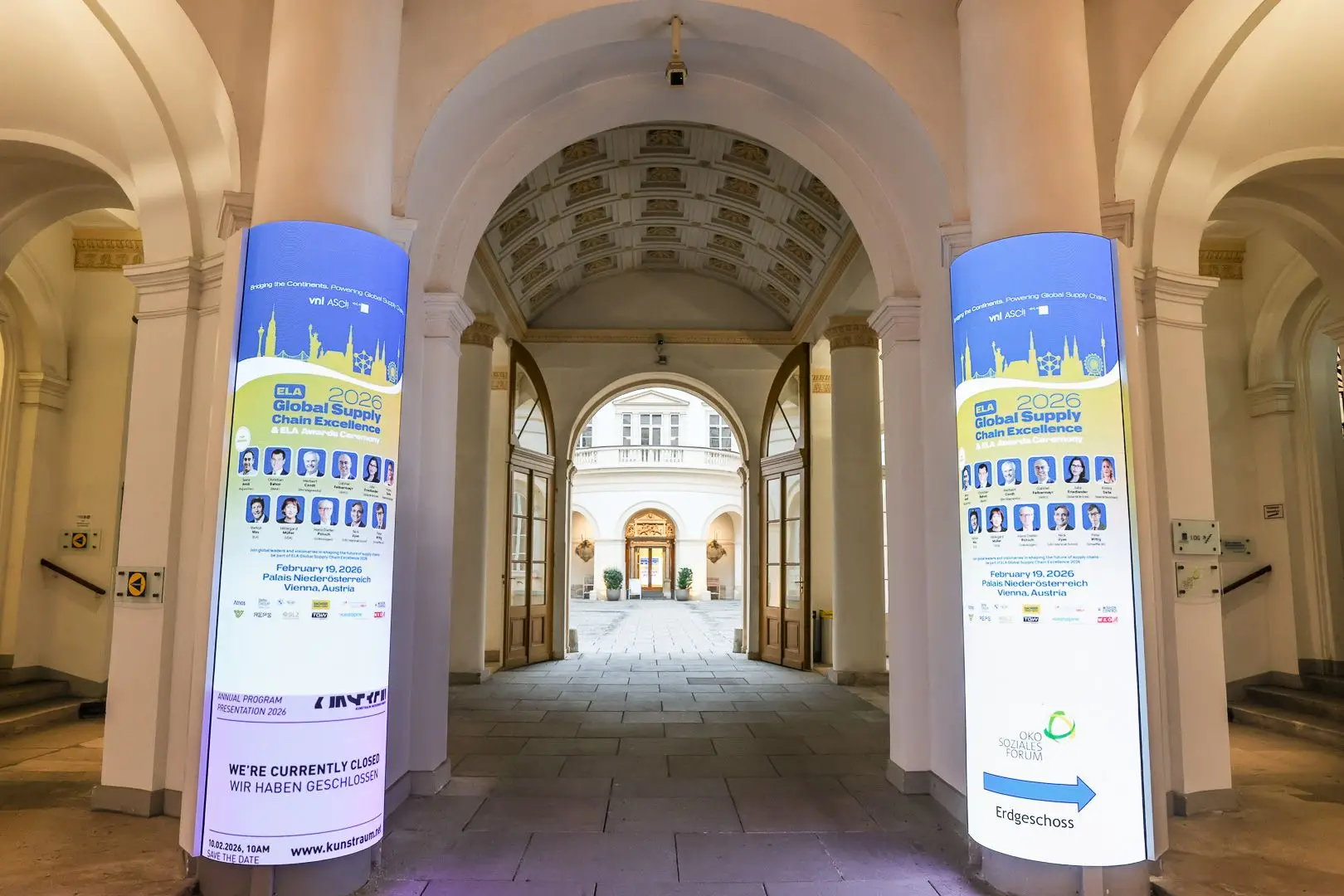
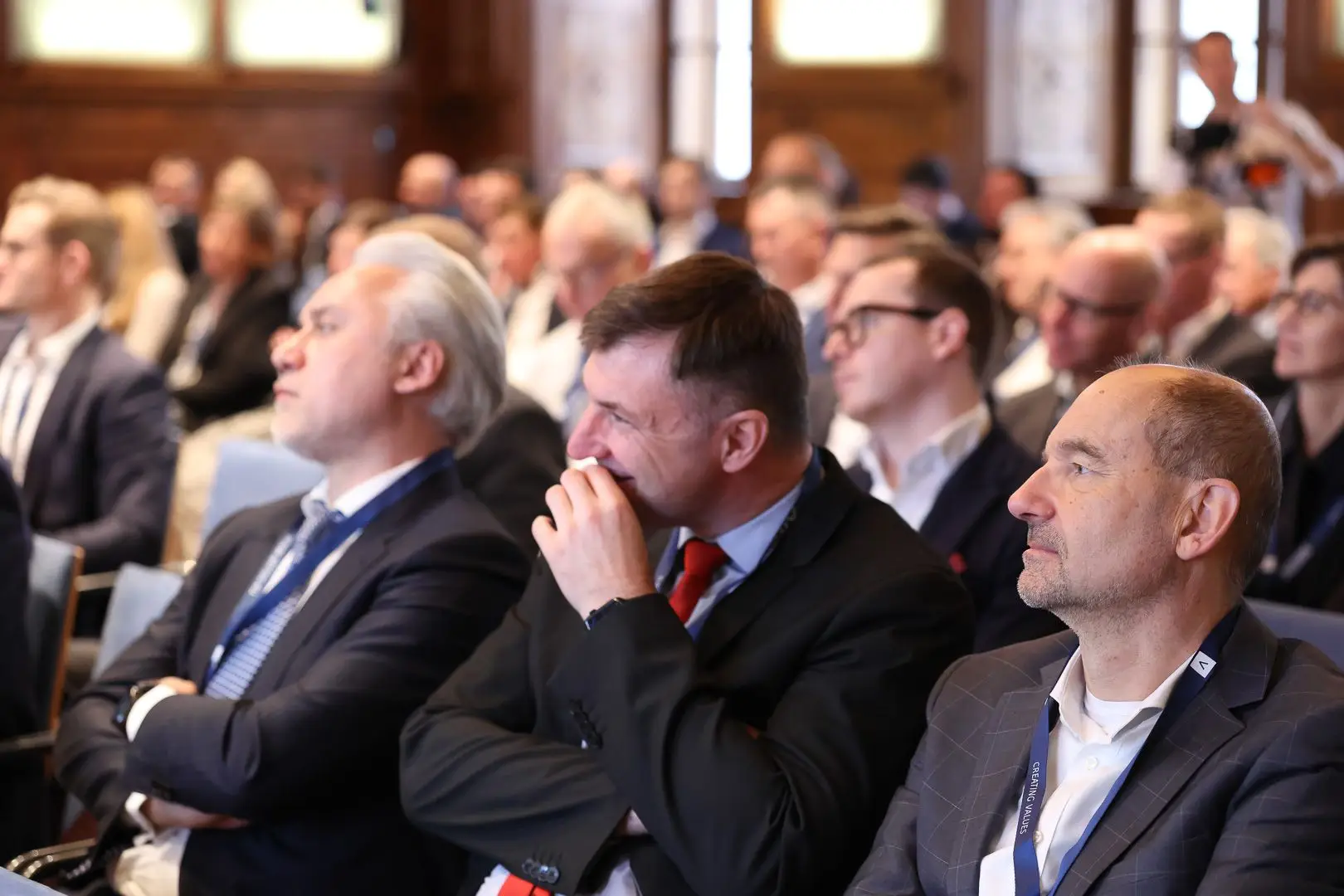
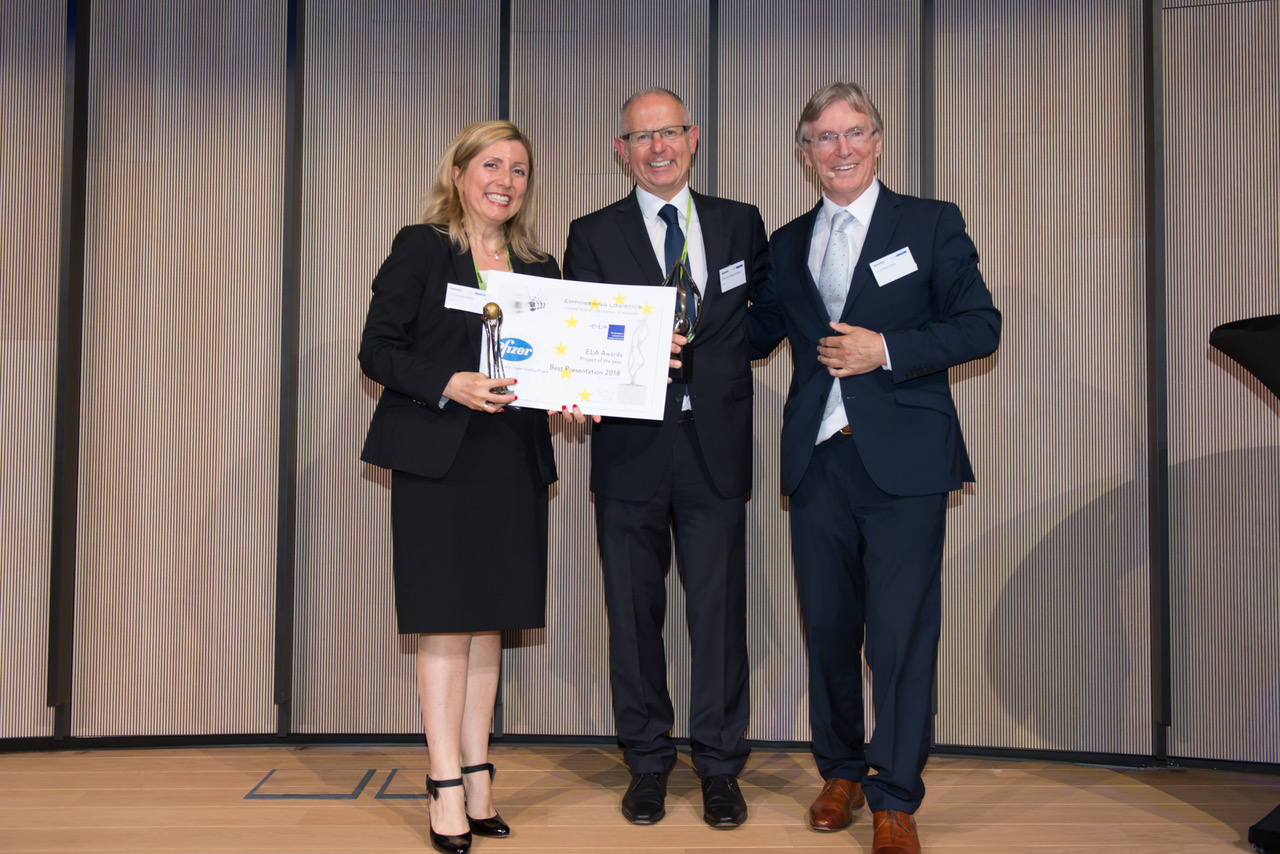
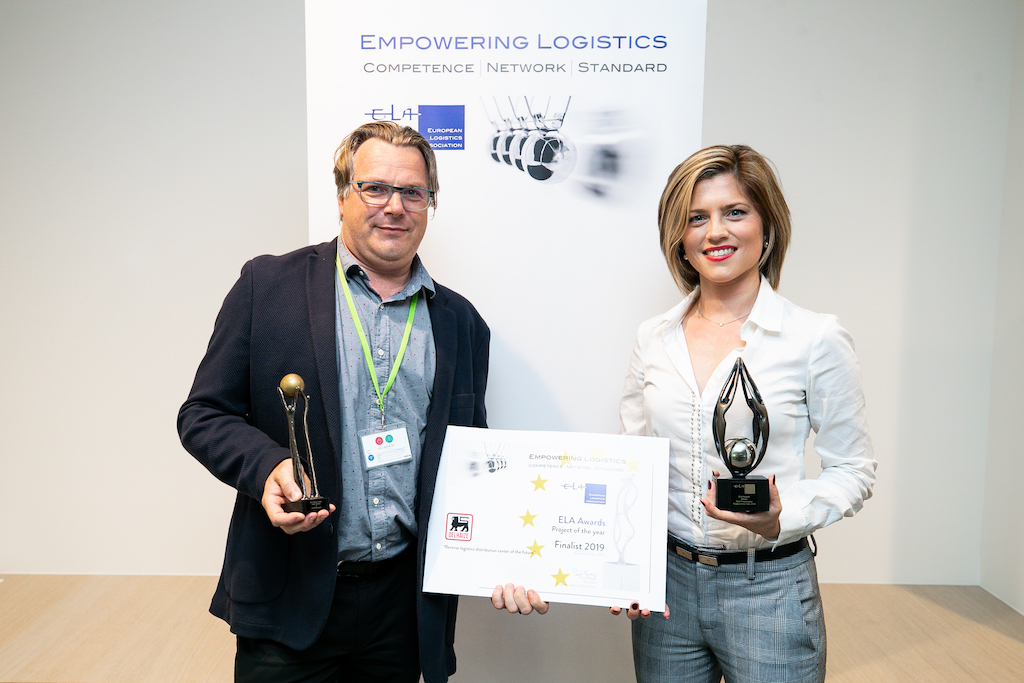
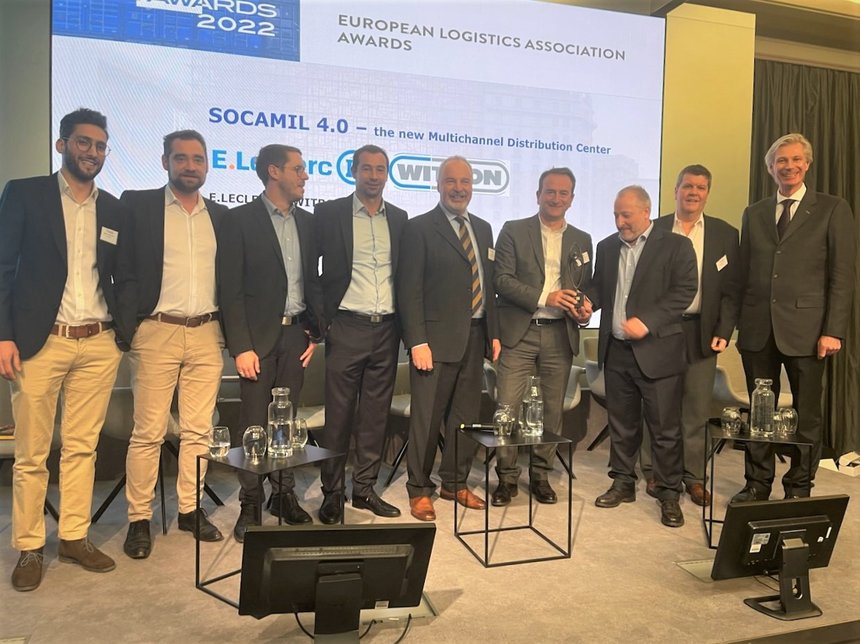
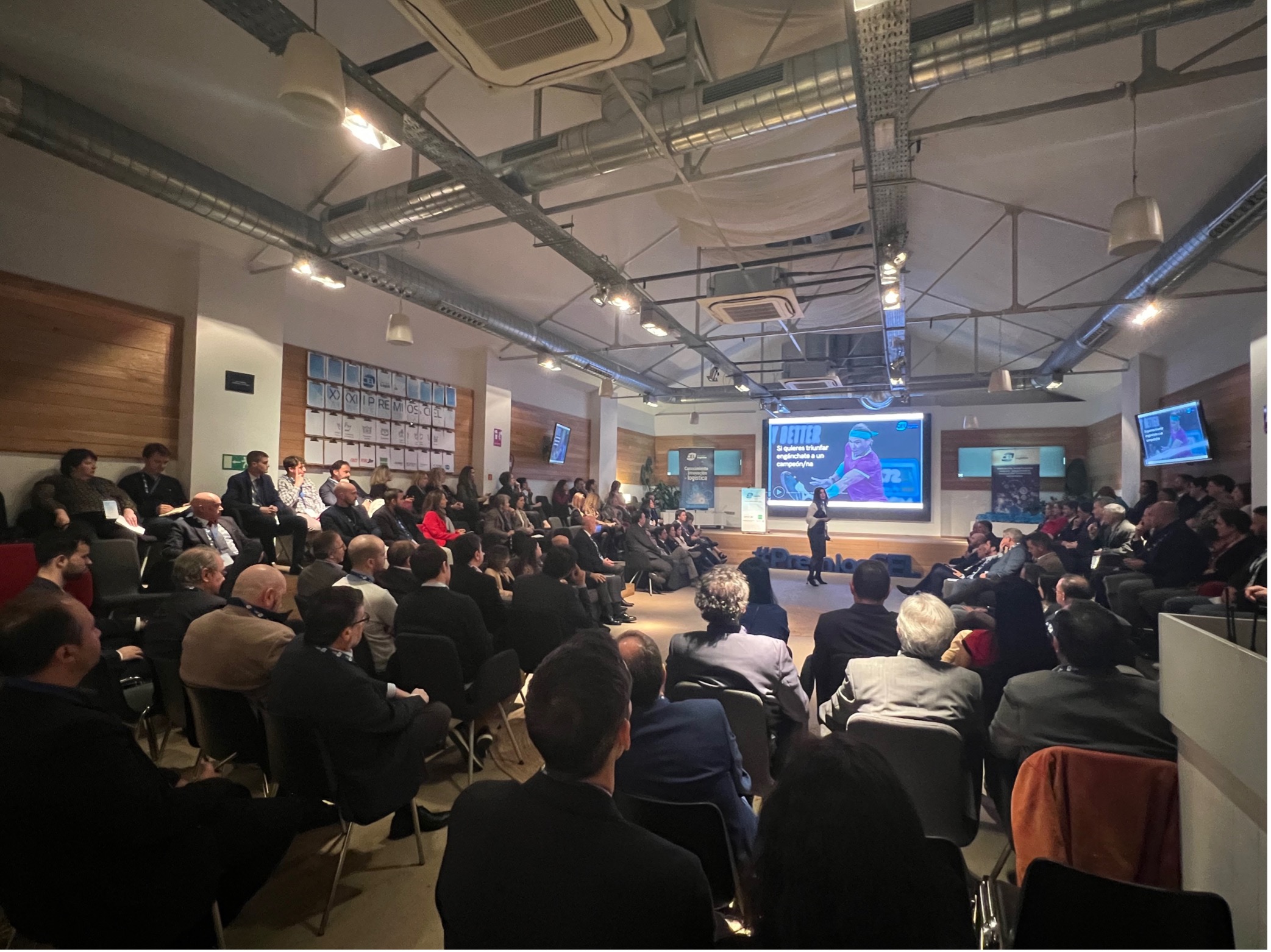
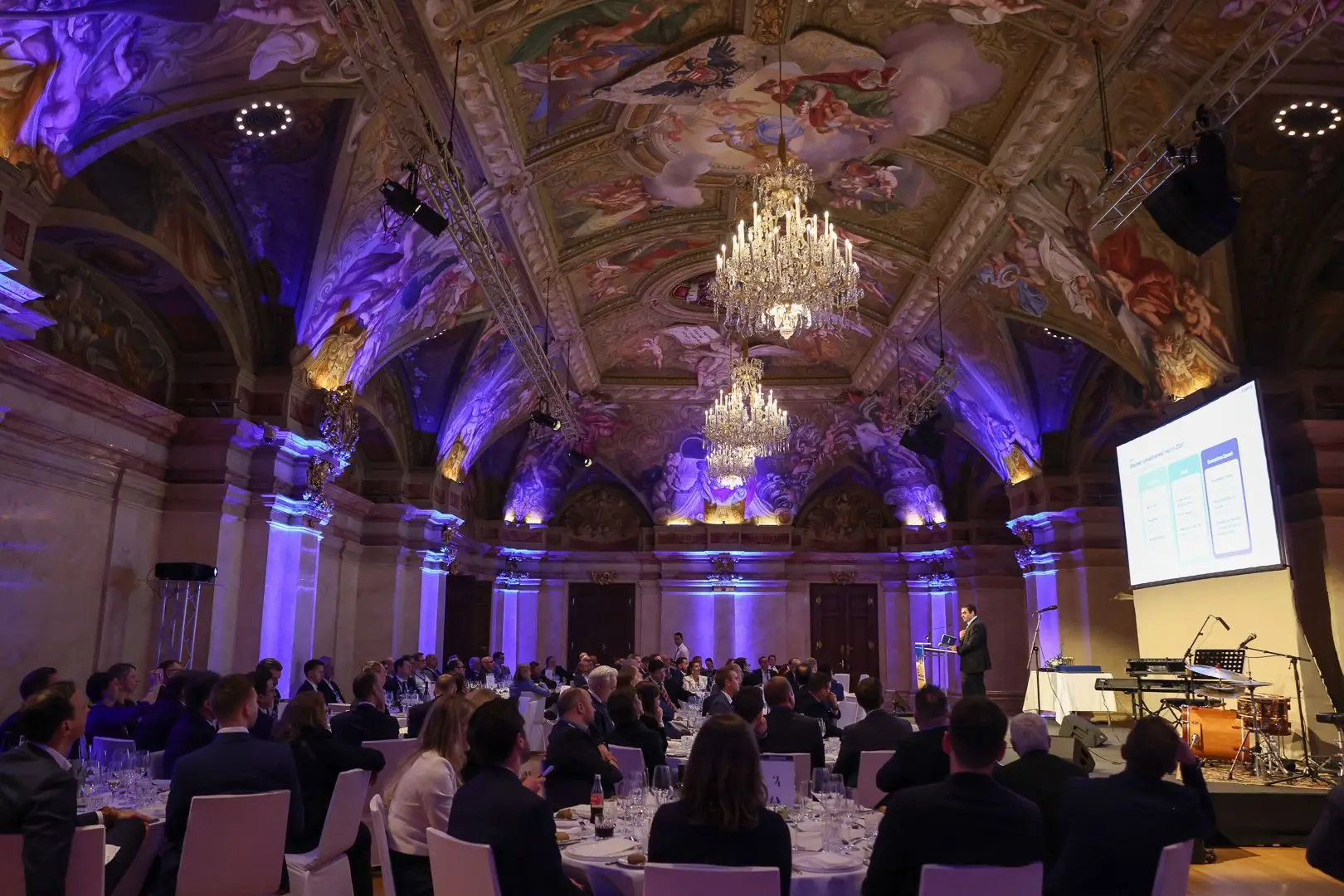
The ELA Global Supply Chain Excellence Event is a unique annual gathering for leaders from business, politics, and science to connect, exchange ideas, and shape the future of global value chains and to celebrate the achievements of the winners of the National Awards held by our Members.
In one intensive day, we unite two powerful formats:
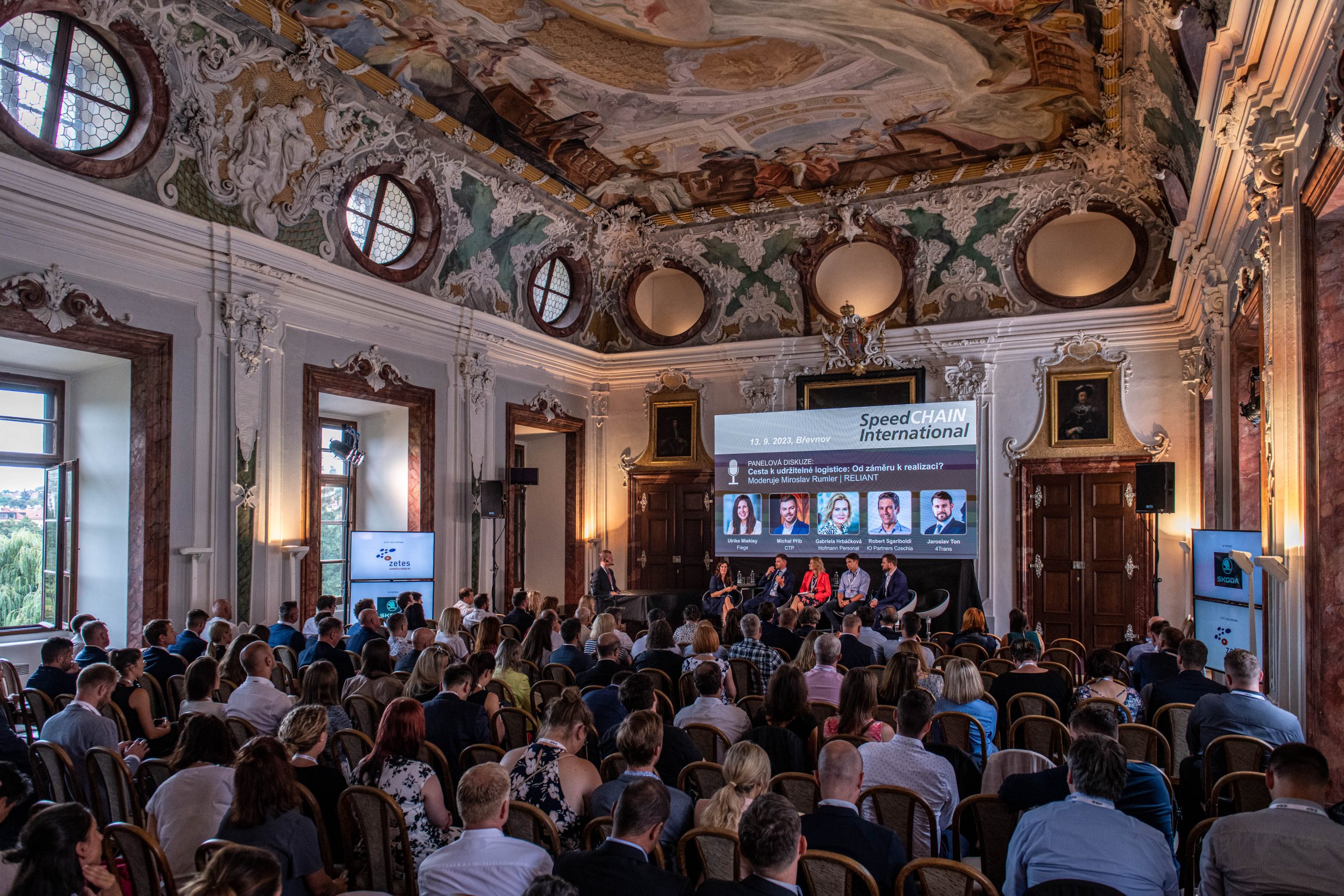
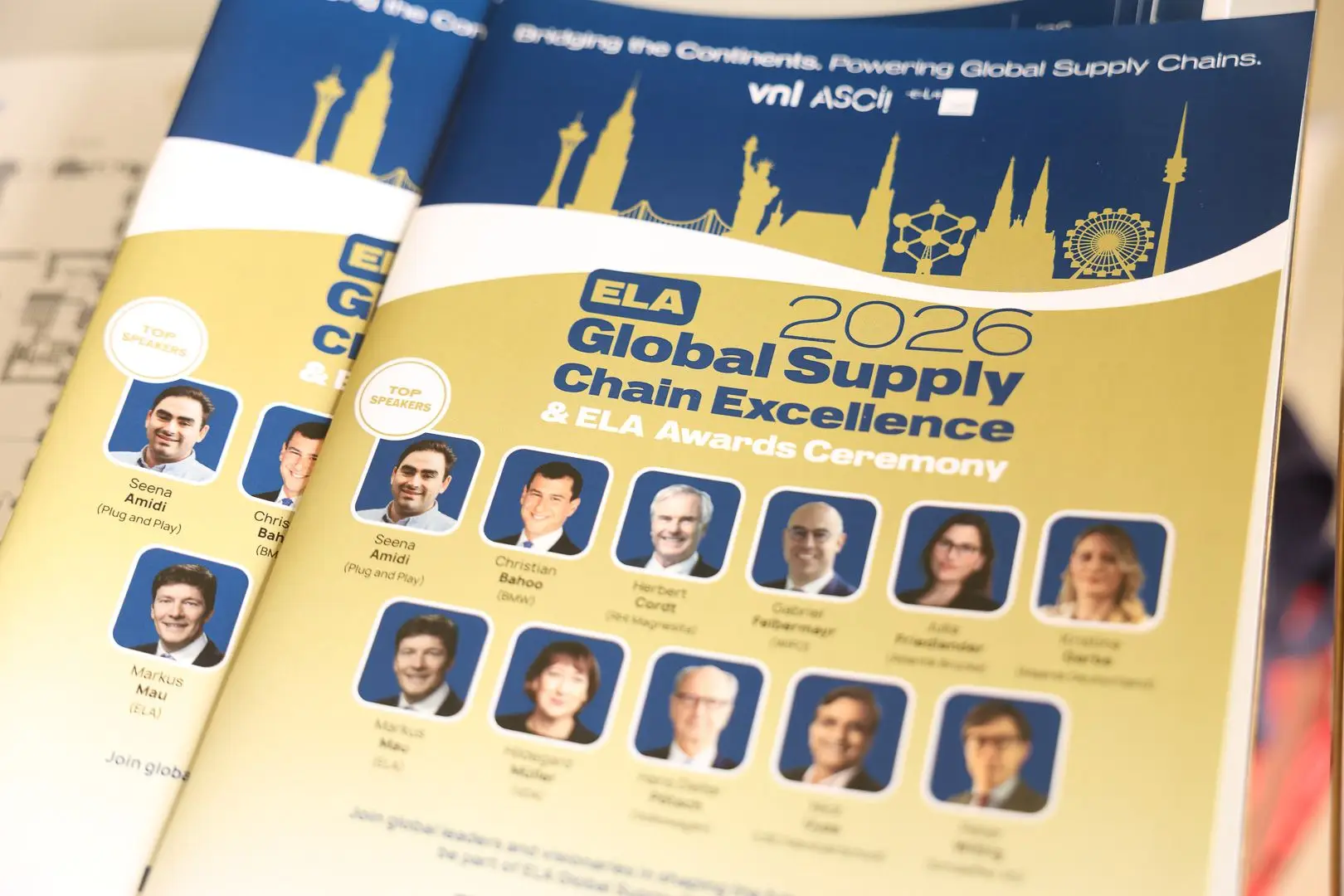
- Our international Supply Chain Summit – showcasing latest developments in the industry around the globe, with top international speakers.
- The prestigious ELA Awards Ceremony – celebrating Europe’s best logistics and supply chain projects in a high-profile evening event.
Why You Can’t Miss This Event
- High-level networking with decision-makers from both sides of the Atlantic.
- Strategic knowledge on trade policy, resilience, digitalization, and sustainability.
- International recognition for excellence in logistics and supply chain management.
- Exclusive atmosphere in Vienna – a neutral, central meeting point for Europe and the USA.
Who Should Attend
- CEOs, board members, and senior executives from OEMs and suppliers.
- Political and economic decision-makers shaping transatlantic trade.
- Leading researchers, academics and innovators in logistics and mobility.
Send us an email to receive updates on next year’s event which will take place on February 25th, 2027: ELA Awards


The Jury
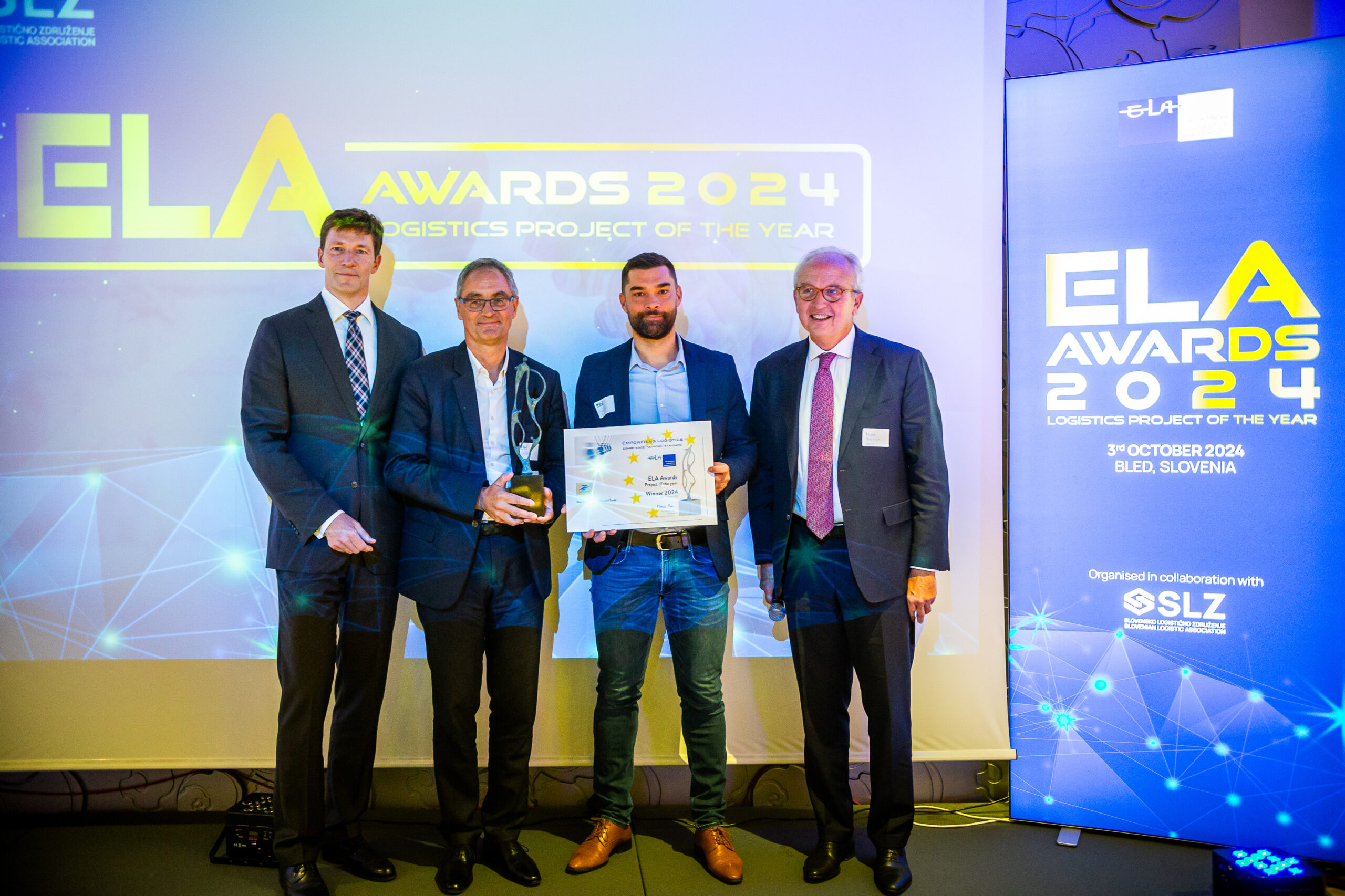
All projects/professionals are submitted to an international jury, which consists of high-level practitioners in logistics from sectors in retail, industry, consulting, service providers and the academic world.
Each ELA member association can nominate one member of the jury who may commit for a period of three years as member of the jury (not mandatory).
The 2025 Awards
Winners 2025
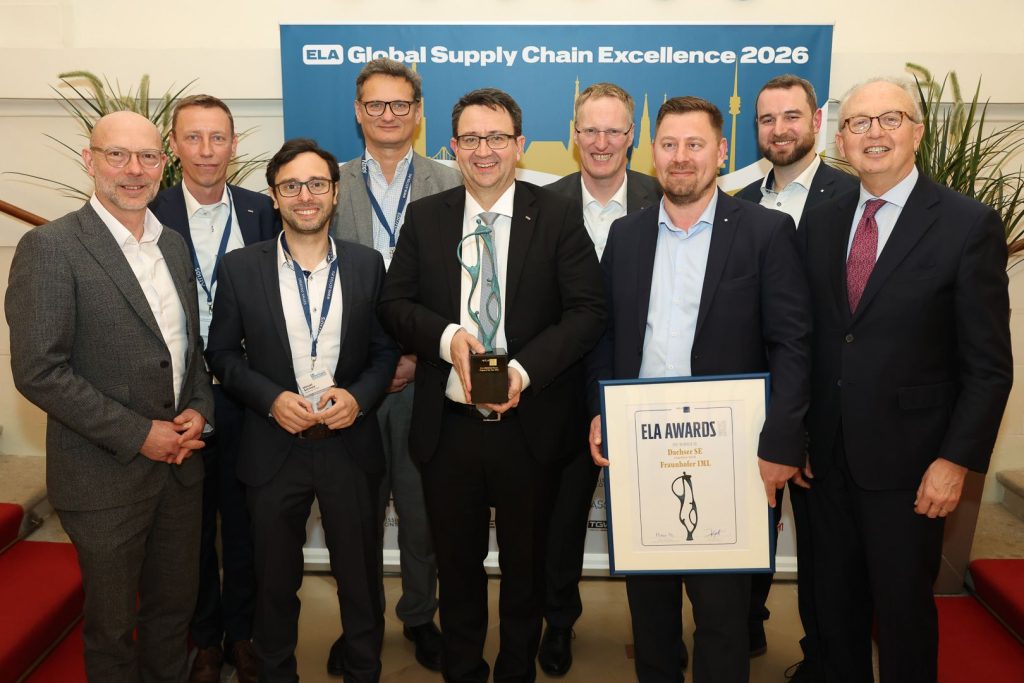
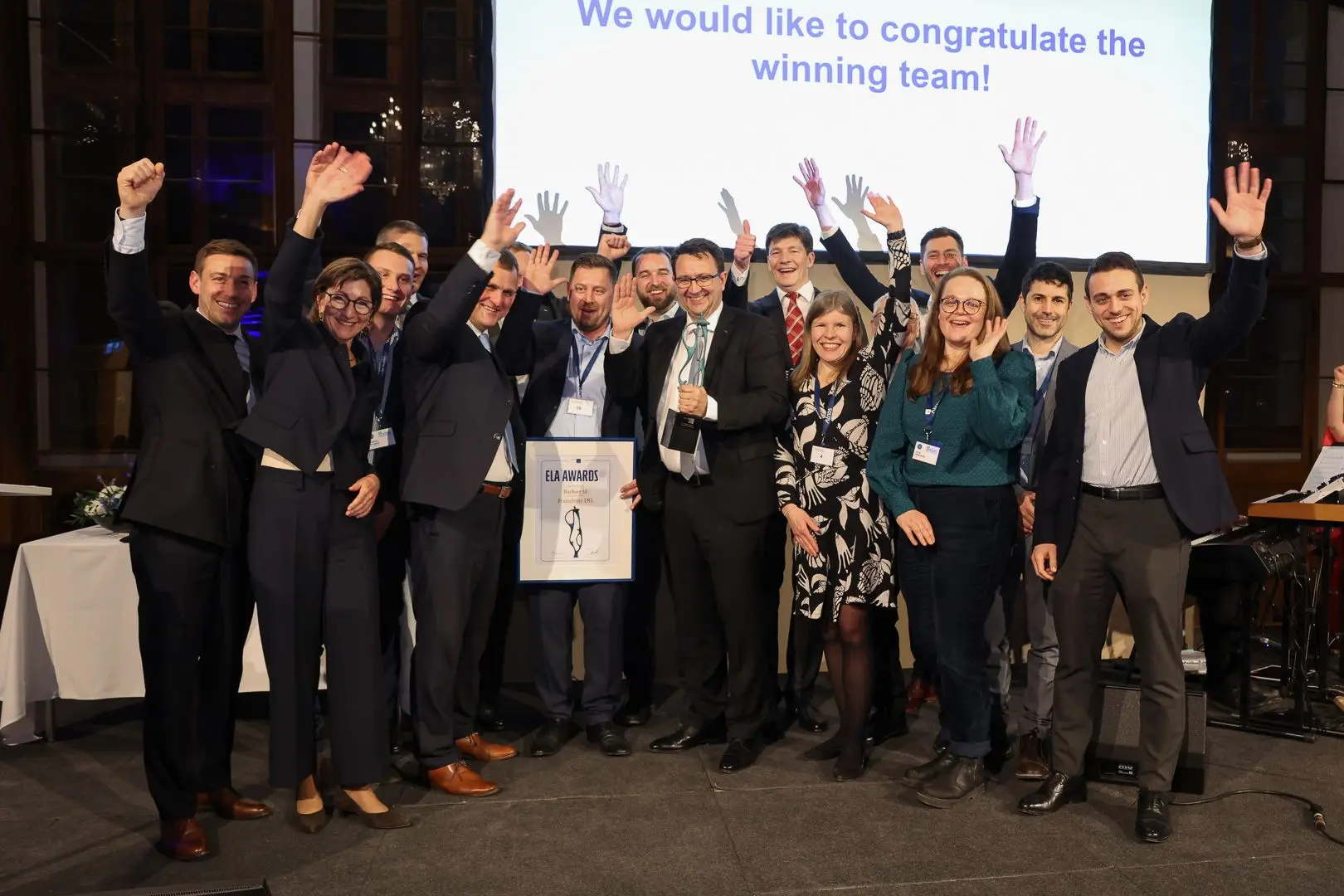
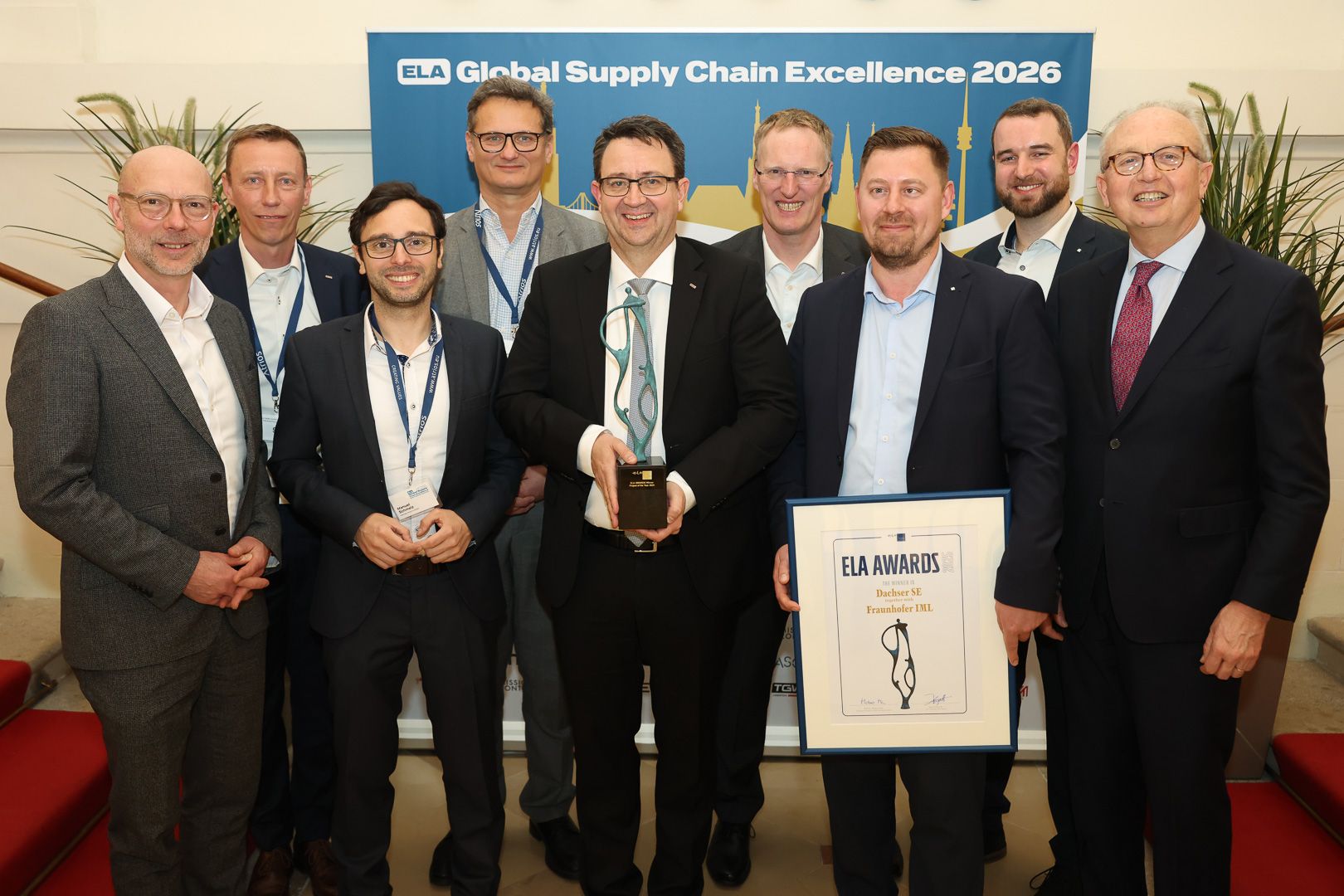
Project of the Year 2025 : Dachser & Fraunhofer IML submitted by BGL Germany
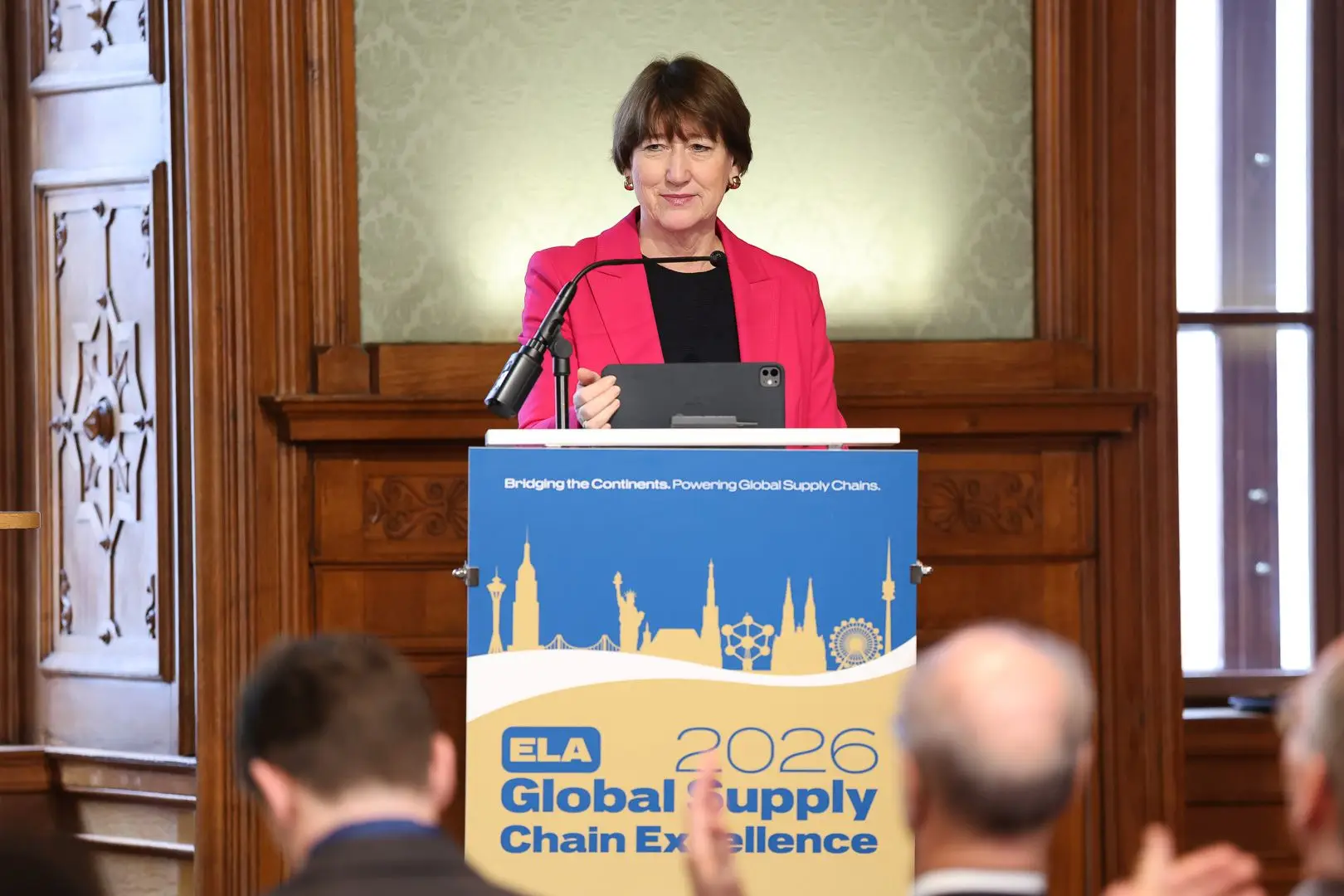
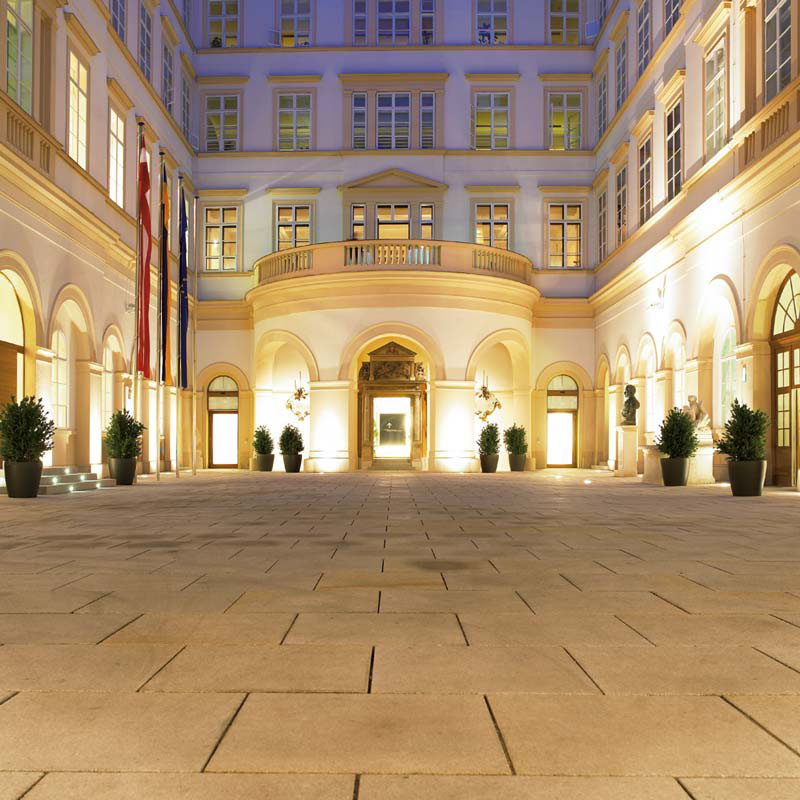
Vienna – Austria – February 19th 2026 – DACHSER together with Fraunhofer IML won the prestiguous ELA Awards. They were announced as a winner during the Global Supply Chain Excellence Event hosted by VNL Austria and the Supply Chain Intelligence Institute Austria (ASCii) in the beautiful Palais Niederösterreich.
With the DACHSER Future Terminal and the @ILO Digital Twin, Dachser SE and Fraunhofer IML are redefining processes in general cargo handling terminals. By combining artificial intelligence, optical scanning technology, and real-time data processing, they have created a fully digital twin of the physical terminal processes, eliminating the need for manual scanning, enabling precise pallet localisation, and significantly reducing process times. The solution addresses some of the most pressing challenges facing logistics today: increasing complexity, labour shortages and limited space in urban areas – while also helping to reduce CO₂ emissions through improved loading efficiency and optimised capacity utilisation. Already in live operation at seven terminals, the @ILO system demonstrates how research, technology and operational excellence can fundamentally transform general cargo logistics.